



Overview
A ₹20 lakh health insurance cover can sound excessive at first. After all, how often do hospital bills actually run into tens of lakhs?
But that's not necessarily the right way to look at it. You buy health insurance for the bills that would otherwise hurt your finances, not just the ones you can comfortably manage. And with a serious illness, prolonged hospitalization, or multiple claims in the same year, a smaller cover can get exhausted faster than you'd expect. In situations like these, a larger sum insured means you don't have to worry about whether there's enough cover left. And that's where a ₹20 lakh policy can make sense.
In this guide, we explain whether ₹20 lakh is enough in 2026, explore the best plans, compare premiums, and highlight mistakes to avoid.
Is ₹20 Lakh Health Insurance Enough in 2026?
A ₹20 lakh cover sits in the middle of the ₹15 lakh to ₹25 lakh range we usually suggest at Ditto. Here are the factors to consider to decide whether it is enough for you.
1) Hospital Bills
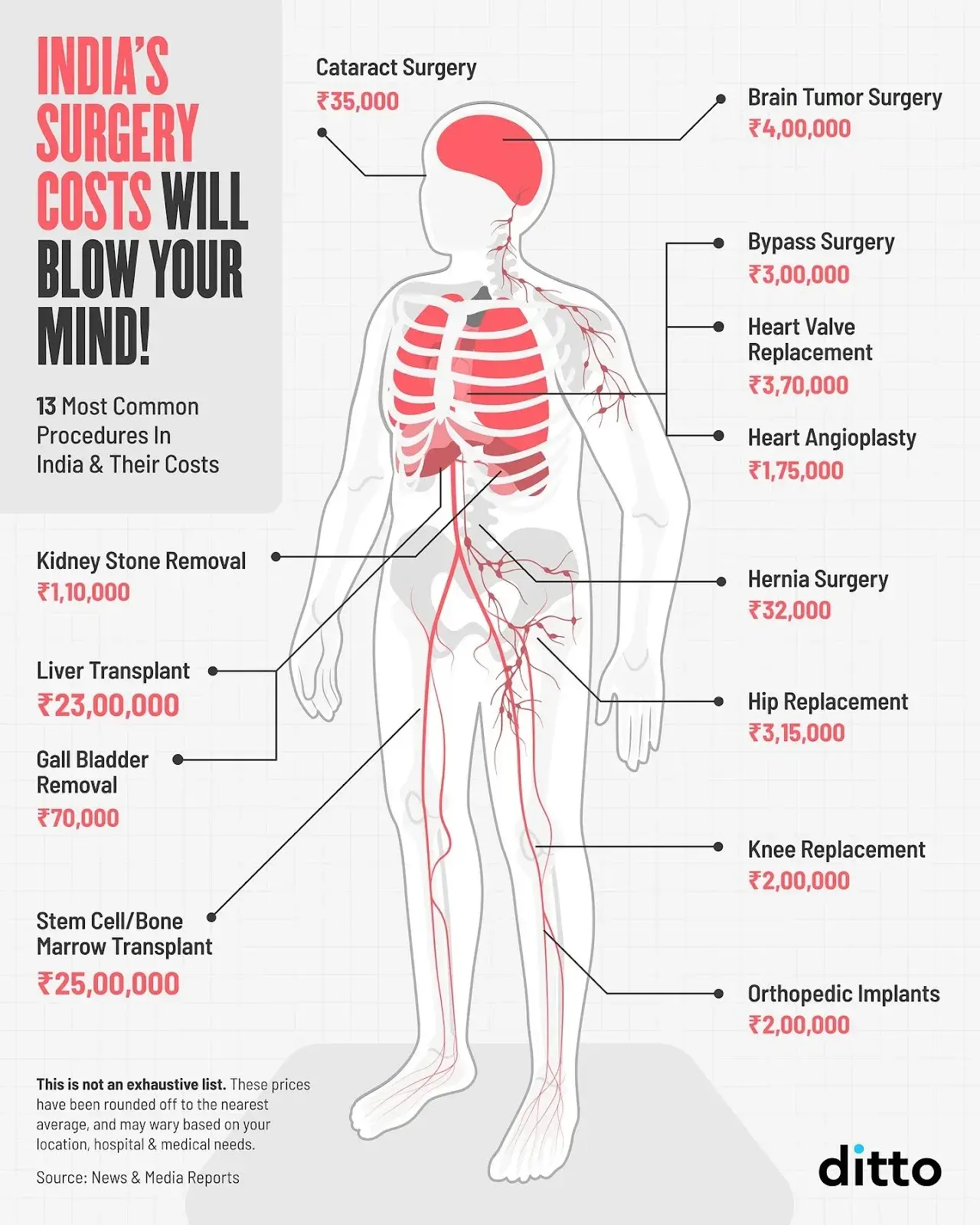
A serious surgery or ICU stay in a private hospital can cost several lakhs. ₹20 lakh can cover many major hospitalizations, but some transplants, prolonged ICU stays, cancer treatment, or complications can exceed this amount, particularly at premium metro hospitals. Here’s an estimated breakdown of what the common procedures cost in India.
2) Good Bonuses
A cumulative bonus makes a ₹20 lakh base much stronger. For instance, Aditya Birla's Activ One MAX adds 100% of your base cover every year, regardless of your claims, up to 500%. That can grow your cover to about ₹1.2 crore while you pay for only ₹20 lakh.
Optima Secure+ goes further, doubling your cover to ₹40 lakh from day 1, plus an infinite bonus that increases by 100% every year, regardless of claims.
3) Individual vs. Family Floater
In an individual plan, the full ₹20 lakh belongs to you alone. In a family floater, everyone shares one pool, so one big claim can leave others short. Restoration benefit helps here. With unlimited restoration, as in Care Supreme, your cover refills after a claim, so each new hospital stay in the year gets a fresh ₹20 lakh for any illness.
4) Policy Features
The features decide how much of that ₹20 lakh you can actually use. Say your plan caps room rent at ₹5,000 a day, and you pick a ₹10,000 room. The insurer then cuts your whole bill in the same proportion, not just the room charge.
So a comprehensive ₹20 lakh plan is better than a restricted ₹50 lakh one. Look for:
- No Restriction Plans: When comparing health insurance ₹20 lakh options, the sum insured is only one part of the decision. Features like room-rent limits, copayment, sub-limits, waiting periods, and claim support determine how much protection you actually receive.
- Consumables Cover: Gloves, masks, and syringes are often excluded, so built-in cover saves money by reducing out-of-pocket expenses.
Ditto's Take
Best ₹20 Lakh Health Insurance Plans Compared
We shortlisted these plans using Ditto’s detailed health insurance rating framework, which evaluates policy features, insurer reliability, and premiums.
One Important Note
Ditto's Take: Optima Secure+ is an all-rounder plan backed by HDFC ERGO’s solid performance metrics, but its entry age is capped at 60. Activ One MAX gives the best value by combining features with affordable premiums.
Sample Premiums for ₹20 Lakh Sum Insured
Note: A stands for adult and C for child. The premiums are calculated for healthy individuals residing in Delhi (110010). The values are indicative and may vary based on your age, city, health history, and add-ons. For an exact number, use the insurer’s respective ₹20 lakh health insurance premium calculator.
Two things help keep your premiums managed:
- Pay for 2 or 3 Years Upfront: Multi-year discounts can save roughly 6% to 15%, depending on the plan, when paying the premium for ₹20 lakh health insurance.
- Section 126 (Formerly Section 80D) Deductions: If you file taxes under the old regime, you can claim up to ₹25,000 for premiums paid for self and family under Section 80D (old regime). If you pay premiums for parents under 60, you can claim another ₹25,000, and if they are over 60, the cap increases to ₹50,000.
Talk to an expert
today and
find
the right
insurance for you.


₹20 Lakh Health Insurance: Base Plan vs. Base Plus Super Top-Up
A super top-up health insurance plan provides additional coverage. It pays only after your hospital bills cross a set limit, called a deductible, in one year.
Super Top-Ups (STUs) look attractive because they offer higher cover at lower premiums. But they are not always seamless. Underwriting can be stricter, and claims may need extra steps because the deductible must be established first.
Here’s how the premiums compare between a base plan and a base plan with a STU.
Note: The premiums are calculated for a healthy individual residing in Delhi (110010) for the HDFC ERGO Optima Secure+ plan. These are indicative values and can vary based on age, location, chosen deductible, and medical history.
Ditto's Take
Common Mistakes People Make While Choosing a ₹20 Lakh Cover

Choosing Only by Price
A low premium often comes with a catch. Cheaper plans may add a 10% to 20% copayment or sub-limits on treatments, so you pay more when you need it.
Ignoring the Claim Settlement Ratio
A big sum insured means little if the insurer rejects claims. We recommend a CSR above 90%. CSR is a useful signal, but not the only one. Compare it alongside other metrics like Incurred Claims Ratio (ICR), complaint volumes, and network hospitals.
Misunderstanding Restoration
Many people assume restoration also refills bonus cover. It does not. It applies only to the base sum insured, once you've used it partly or fully, depending on policy terms.
Assuming a Family Floater Is Always Better
A floater shares one sum insured among everyone. For older members or those with complex pre-existing conditions, separate individual policies often work better, even if they cost more upfront.
Hiding Pre-Existing Diseases (PEDs)
Leaving out a past illness can get your claim rejected or your policy canceled. Disclose everything, since IRDAI caps the waiting period for these conditions at 3 years.
Skipping the Hospital Network Check
A strong plan helps little if your nearby hospitals are not on its cashless list. You would pay first and claim later. Check the network first.
Not Reviewing Your Cover Periodically
Costs keep rising, so a ₹20 lakh cover loses its value every year. Review it every 3 to 5 years to check it still fits your life stage, family size, and preferred hospitals.
Why Choose Ditto for Health Insurance?
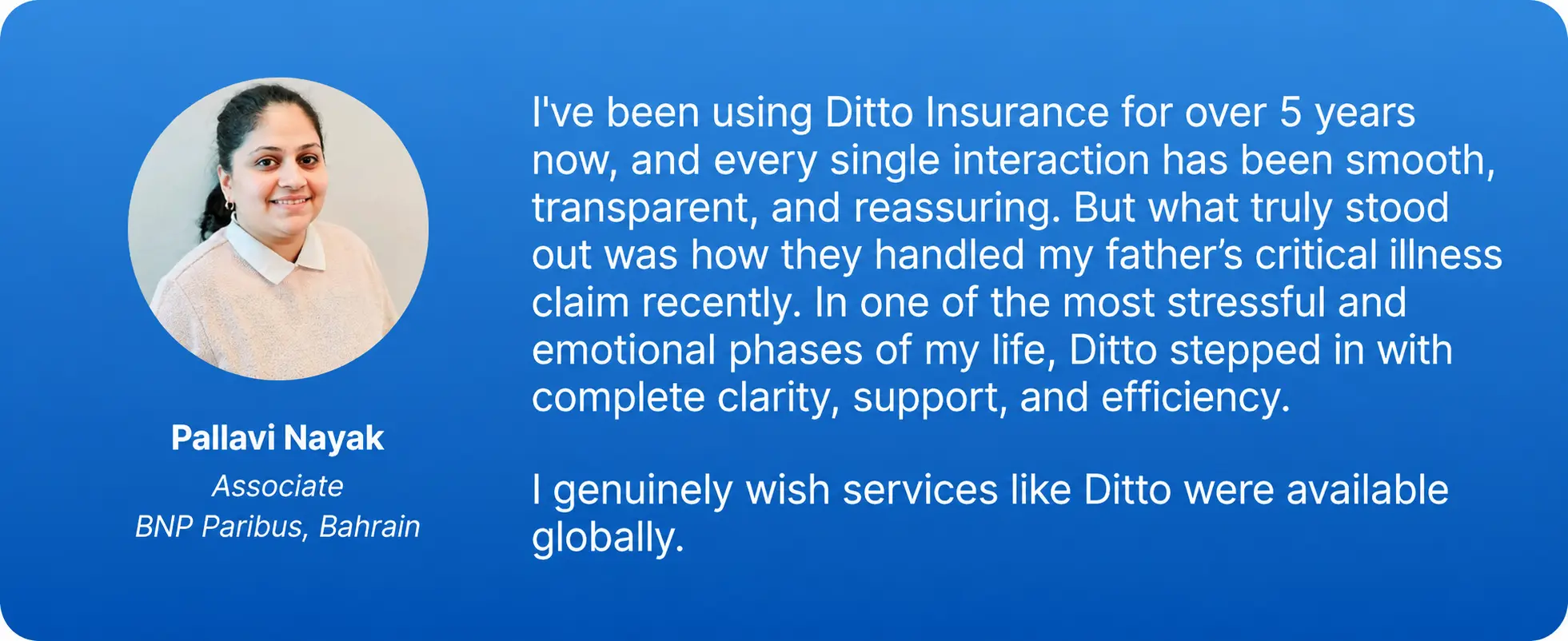
At Ditto, we’ve assisted over 12,00,000 customers choose the right insurance policy. Why customers like Pallavi love us:
- 100% Free Consultation
- No Spam. No Sales Pressure.
- Rated 4.9/5 on Google Reviews by 30,000+ Happy Customers
- Backed by Zerodha
- Dedicated Claim Support Team
- Compare Plans and Premiums with a Trusted Insurance Advisor
Confused about the right insurance? Speak to Ditto’s certified advisors for free, unbiased guidance. Book your call now or chat with us on WhatsApp. Slots fill up fast!
Conclusion
A ₹20 lakh health insurance plan is the right pick if you:
- Want solid protection at affordable premiums.
- Live in a metro like Delhi, Mumbai, or Bengaluru, where hospital bills run higher.
- Prefer one comprehensive plan over a small base with a super top-up.
If budget is tight, start with a smaller cover like ₹10 lakh or ₹15 lakh. Remember, raising your cover later gets harder if health conditions develop. For factors beyond the sum insured, read our guide on how to choose health insurance.
Frequently Asked Questions
Last updated on: