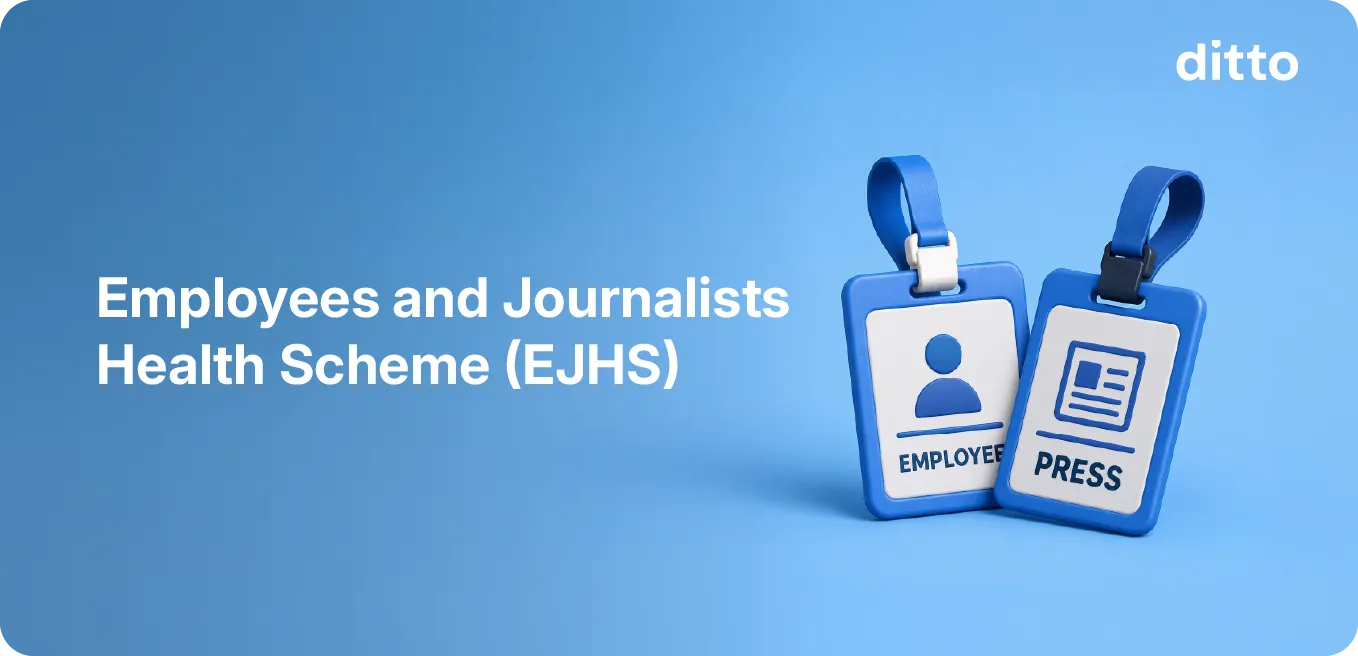
The Employees and Journalists Health Scheme (EJHS) is a comprehensive initiative by the Telangana state government that provides cashless medical treatment to serving and retired employees, accredited journalists, and their dependent family members. It replaces the previous medical reimbursement model with a structured, paperless healthcare system.
Core Benefits:
Cashless Hospitalization: Free inpatient treatment for predefined therapies at government and empaneled private hospitals.
No Financial Limits: No upper ceiling for approved treatment packages, though employees and pensioners now contribute 1.5% of basic pay or pension, matched by the government.
Pre- and Post-Hospitalization: Follow-up coverage for up to 1 year for chronic diseases and up to 30 days post-discharge for general conditions.
Family Coverage: Includes spouses, dependent parents, unemployed sons under 25, and dependent unmarried, widowed, or divorced daughters.
For serving employees and pensioners, there is usually no separate enrollment, while journalists apply directly through the Journalists Health Scheme (JHS) portal.
Imagine you are a Telangana government employee and you suddenly need hospitalization. Would EJHS cover you in full, or would you still have to pay a part of the bill? That confusion gets worse now, because the scheme itself is changing.
According toTelangana Today, the government started deducting 1.5% of basic pay or pension from employees and pensioners in May 2026 to fund a new trust-run version of EJHS. The new scheme officially launched on July 17, 2026, with a fresh portal, digital health cards, and an expanded hospital network. So knowing exactly where things stand matters.
This guide breaks down what EJHS covers, who qualifies, and how to register or download your card. By the end, you will know exactly what to expect and what gap you might still need to fill.
What Is the Employees and Journalists Health Scheme (EJHS)?
EJHS is Telangana's cashless health scheme for government staff, pensioners, and journalists. It replaced the older medical reimbursement system with a structured, mostly paperless model.
It is administered through theAarogyasri Health Care Trust framework, under the Integrated Medical Attendance Rules, 1972. The government funds it, and it is not an IRDAI-regulated insurance policy.
Key Insight
On July 17, 2026, Telangana officially launched the New Employees Health Scheme (NEHS) for around 17.88 lakh employees, pensioners, and dependents, along with a new portal and digital health cards. Cashless treatment is now available across 886 private and 114 government hospitals. The Journalists Health Scheme continues to run separately under its own portal and rules. Beneficiaries should still confirm their card and hospital details through the official portal or the 104 helpline before treatment.
Eligibility Criteria for the Employees and Journalists Health Scheme (EJHS)
Eligibility depends on which category you fall under.
Category
Who Qualifies
Employees
Regular Telangana state government employees, including provincialized local-body staff.
Pensioners
Service pensioners, family pensioners, and re-employed pensioners.
Journalists
Accredited and working journalists, plus retired journalists (verified by the District Public Relations Officer (DPRO) and the Information and Public Relations Officer (IPRO)).
Dependents
Spouse, dependent parents, unemployed sons under 25, and unmarried, widowed, deserted, or divorced daughters, and disabled dependent children who are unable to work.
Categories Generally Excluded From EHS
Not everyone qualifies, even within government service. The original eligibility order excludes:
Casual and daily-paid workers.
Certain government law officers, including government pleaders and public prosecutors.
All India Service (AIS) officers and AIS pensioners.
Financially independent children.
Biological parents where adopted parents have already been included, and vice versa.
Later government orders may extend coverage to additional employee categories. So it's best to verify your eligibility directly with your Drawing and Disbursing Officer (DDO), department, or the EJHS portal.
Did You Know?
People already covered under CGHS, ESIS, or similar schemes are generally excluded. This differs from the Central Government Employees Health Scheme, which serves central government staff nationwide, and the Delhi Government Employees Health Scheme, which is state-specific to Delhi. EJHS applies only within Telangana.
Benefits and Coverage Under the Employees and Journalists Health Scheme (EJHS)
EJHS covers cashless inpatient treatment for a defined list of procedures. The new Employees Health Scheme includes around 1,816 treatment packages, while the Journalists Health Scheme covers roughly 1,885 procedures, all through empaneled hospitals.
Here's what is included:
Specialist consultations, diagnostics, surgery, medicines, and approved implants.
Hospital accommodation within your entitled ward category.
Up to 10 days of post-discharge medicine and complication cover for 30 days.
Follow-up care for chronic conditions, sometimes for up to a year.
Outpatient department (OPD) services for specific chronic diseases through notified wellness centers.
There is no overall financial ceiling for listed therapies. But this does not mean every expense is covered. Non-listed treatments, non-empaneled hospitals, or a higher room category you choose voluntarily can still cost you out of pocket.
Talk to an expert today and find the right insurance for you.
How to Register for the Employees and Journalists Health Scheme (EJHS)
For serving employees and pensioners, there is usually no separate application. Your Drawing and Disbursing Officer (DDO) submits your details to the finance department, which generates your digital health card.
Journalists need to actively apply. You log into the Journalists Health Scheme (JHS) portal, fill in your details, add dependents, upload documents, and submit for verification by your DPRO, followed by final approval by the IPRO.
How to Download Your Employees and Journalists Health Scheme (EJHS) Card?
Once your application or DDO submission is approved, follow these steps:
Visit the relevant portal, the EHS portal for employees and pensioners or the JHS portal for journalists.
Log in using your registered credentials (employee ID, Aadhaar, or journalist login details).
Check your card status under the health card or beneficiary section.
If it shows as approved, click to download or view your digital health card.
Save or print a copy to keep handy for hospital visits.
If your card shows as pending, keep in mind that the ongoing scheme transition has delayed card issuance for many beneficiaries in 2026.
Employees and Journalists Health Scheme (EJHS) vs Private Health Insurance: Do You Still Need Cover?
EJHS genuinely delivers value. Low or no cost, no waiting periods, and coverage for pre-existing conditions are hard to match in the private market, especially for older pensioners.
But it has real gaps. It is a welfare scheme, not an insurance contract, so the government can change its terms unilaterally, as the 2026 overhaul itself shows. Hospital networks are also smaller, with around 1,000 empaneled hospitals (886 private and 114 government) compared to the much wider networks some large private insurers offer, likeHDFC ERGO.
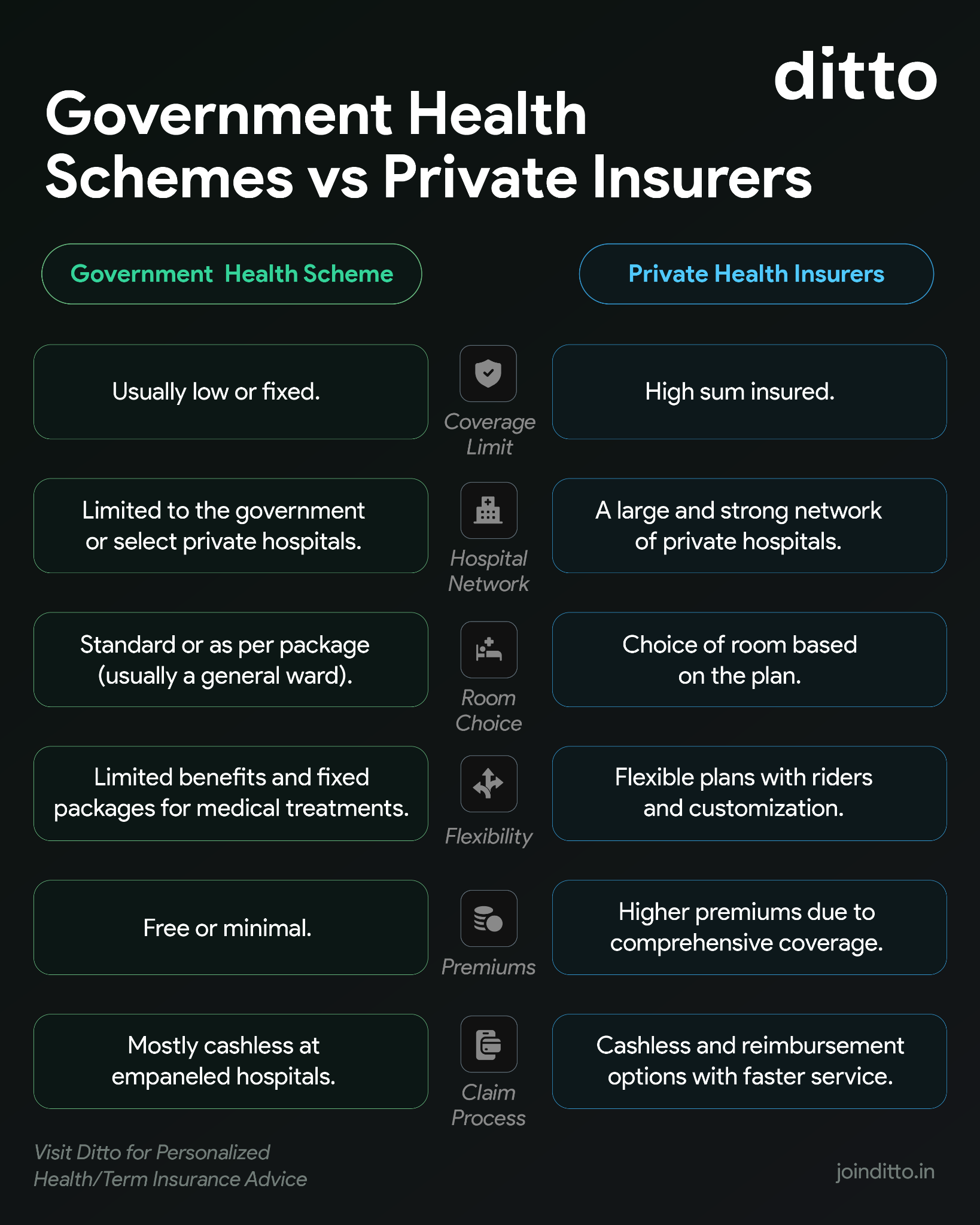
Dependents also age out. Sons lose their cover at 25, and daughters lose theirs upon marriage. They then enter the private market at an age where waiting periods and medical underwriting apply. Have a look at the infographic below to compare private insurance and government schemes:
Ditto's Take: Keep EJHS as your base coverage, but consider a personal health insurance policy as well, especially for dependents nearing the age limit. Buying young means waiting periods get served early, while EJHS still handles your current needs.
Why Choose Ditto for Health Insurance?
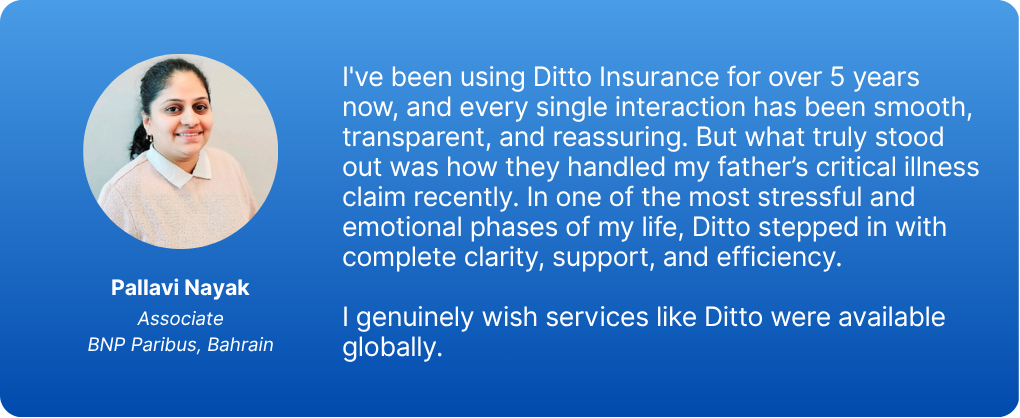
At Ditto, we've assisted over 8,00,000 customers with choosing the right insurance policy. Why customers like Pallavi below love us:
No-Spam & No Salesmen
Rated 4.9/5 on Google Reviews by 25,000+ happy customers
EJHS provides a strong safety net through cashless treatment and wide family coverage, especially valuable given the 2026 transition to a contributory model. However, it may not cover every treatment, hospital, or expense. You still face out of pocket costs when treatment is not listed, the hospital is not empaneled, an unapproved room category is selected, or a particular device or service falls outside the approved package.
For more comprehensive and consistent protection, it is worth considering a personal health insurance plan alongside the scheme, especially for dependents nearing the age cutoff. If you are looking for options from insurers with established track records, we recommend thebest health insurance plans in India.
Frequently Asked Questions
Is the Employees and Journalists Health Scheme (EJHS) enough, or should Telangana government employees still buy private health insurance?
EJHS provides decent coverage, including approximately 1,816 listed procedures, with no financial ceiling for employees. But it's a welfare scheme, not a regulated insurance policy, so the government can change its terms, as seen with the July 2026 shift to a contributory model. Hospital networks under EJHS Telangana are also smaller, with around 1,000 empaneled hospitals, compared to the much wider networks offered by some large private insurers. At Ditto, we recommend keeping EJHS as your base cover and adding a personal health insurance policy for wider hospital access and protection against scheme changes.
Is the Employees and Journalists Health Scheme (EJHS) the same as Rajiv Aarogyasri in Telangana?
No, they are different schemes serving different groups. Rajiv Aarogyasri targets below-poverty-line families and white ration cardholders across Telangana. EJHS Telangana, on the other hand, is specifically for state government employees, pensioners, and accredited journalists, as well as their dependents. Both are administered under the Aarogyasri Health Care Trust framework, which sometimes causes confusion. At Ditto, we always tell customers to check which scheme applies to their specific employment or income category before assuming coverage.
Are the in-laws of an EJHS employee or pensioner eligible for coverage?
Generally, no. EJHS eligibility for dependents is limited to the employee's own biological or legally adopted parents, not in-laws. The scheme covers a legally wedded spouse, dependent parents, unemployed sons under 25, and unmarried, widowed, or divorced daughters. In-laws typically fall outside this defined family structure under the eligibility rules. At Ditto, we suggest checking with your DDO or the EJHS portal directly, since some categories can shift with new government orders over time.
Can a married daughter continue to receive EJHS benefits after her marriage?
No, a daughter generally loses EJHS eligibility once she gets married, unless she becomes widowed, divorced, or deserted afterward. The scheme's dependent coverage is specifically designed for unmarried, widowed, divorced, or deserted daughters who remain financially dependent. This is a common gap families overlook until it's too late. At Ditto, we recommend planning ahead by getting daughters their own personal health insurance policy well before marriage, so they don't face a coverage gap right when they need it most.
Are CGHS beneficiaries or employees of Railways, ESIS, and RTC eligible for EJHS as well?
No, this is one of the clearest exclusions under EJHS rules. People already covered under CGHS, ESIS, Railways, or RTC generally cannot also claim EJHS benefits. Note that the Telangana Police's Arogya Bhadratha scheme was discontinued from July 2026, as personnel moved to the new employee scheme instead. Unlike the Central Government Employees Health Scheme, which serves central government staff across India, EJHS is meant only for Telangana state employees, so overlapping coverage is not allowed. At Ditto, we advise double-checking your existing coverage status with your department before assuming you automatically qualify for EJHS as a Telangana state employee.
Does the EJHS card work at hospitals outside Telangana?
Not automatically. EJHS is primarily built for treatment within Telangana's empaneled hospital network. For treatment outside the state, you typically need prior approval through the EJHS portal, unless it's a genuine emergency, in which case you must inform EJHS authorities within about 24 to 48 hours. Even then, payment depends on approved packages, not the hospital's full billed amount. At Ditto, we tell beneficiaries to always confirm outside-state approval processes in advance rather than assuming automatic cashless access elsewhere.
Whom should an EJHS beneficiary contact for a claim or empanelment complaint?
For EHS-related grievances, you can call the 24/7 helpline at 104 or reach the dedicated EHS grievance numbers at 8333817481 and 8333817470. You can also email ehftg@aarogyasri.gov.in or raise your issue directly through the EJHS portal. Journalists facing JHS-specific issues should instead email jhs@aarogyasri.gov.in. Interestingly, schemes like the Delhi Government Employees Health Scheme follow a similar grievance structure, so keeping your health card number and hospital details ready always speeds up resolution.