



Quick Overview
When I joined my first job, I was thrilled to receive my offer letter. The salary, the perks—and yes, the health insurance. My HR manager even said, “It’s a basic necessity. You’re covered now.” I nodded politely, but deep down, I didn’t give it much thought. After all, I was young, healthy, and hadn’t seen a hospital in years. Why would I need health insurance?
That changed when a casual conversation with my uncle turned into a reality check. “You work in insurance, right?” he asked. “Do you have your own policy outside of work? You’re old enough to think about these things.” I didn’t. And I had no excuse.
That moment made me realise something important: Even those of us in the insurance industry often delay the decision. So what about the 400 million people in India who still don’t have health insurance? Is it just about affordability or access? Or is the real question still lingering in many minds: Is health insurance worth it?
Let’s break it down in this blog.
What is health insurance?
Health insurance is a structured agreement between you and the insurer wherein, in exchange for a regular premium, your medical expenses, ranging from hospitalisation and surgeries to diagnostics and day care procedures, are covered. It’s a proactive financial tool that helps you manage the rising cost of healthcare, protect your savings, and ensure timely access to quality treatment when you need it most.
To make this system sustainable, insurers use the concept of risk pooling, where health insurance premiums from a large group of policyholders are collected into a common fund. This pool is then used to cover the claims of those who fall ill. In essence, the healthy subsidise the sick, allowing the system to function efficiently and affordably for all.
Health insurance is a contract where you pay premiums in exchange for coverage of medical expenses. It works by pooling risks, ensuring affordable care by sharing costs across a group.
What does Health Insurance Usually Cover?
Health insurance is more than just a backup plan—it’s an essential tool for managing healthcare costs and ensuring timely access to quality care. While specific inclusions can vary between insurers and plans, here’s a detailed breakdown of what a comprehensive health insurance policy typically covers:
Access to Quality Healthcare Services
A robust health insurance plan gives you access to a wide network of partnered hospitals where you can avail of cashless treatments. This means the insurer settles the bill directly with the hospital, reducing your financial burden during hospitalisation.
When funds are tight, individuals often compromise on the quality of care. However, with the right plan in place, you can avail of treatment at reputed hospitals without dipping into your savings or compromising on medical standards.
Coverage for Medical Emergencies
One of the most valuable benefits of health insurance is timely hospitalization during emergencies. Whether it’s an accident or a sudden illness, you can seek prompt treatment without worrying about arranging money for upfront payments. Cashless facilities ensure you focus on your recovery while the insurer handles the financial side.
Coverage for Advanced & Modern Medical Treatments
Cutting-edge medical procedures like robotic surgeries, stem cell therapies, and targeted treatments are no longer out of reach. These procedures often come with a heavy price tag, but a good health insurance plan makes them more affordable. With such coverage, you're not limited by cost when it comes to accessing the latest and most effective treatment options should you need them.
Free Annual Health Check-ups
Most health insurance plans include a free yearly check-up within a defined coverage limit. These check-ups usually consist of a pre-defined list of diagnostic tests performed at network hospitals and are designed to detect health issues early. This not only promotes preventive care but also makes routine health monitoring more accessible, removing the barrier of cost and adding a layer of convenience and discipline to your healthcare routine.
Wellness Incentives & Lifestyle Rewards
In an effort to encourage healthier living, many insurers now reward policyholders for maintaining a healthy lifestyle. These may include:
- Discounts on premiums
- Free or subsidised gym memberships
- Fitness tracking perks for achieving goals like walking 10,000 steps daily
Such incentives go beyond treatment—they proactively support your journey towards better health.
Mental Health Coverage
Mental health has long been overlooked in mainstream insurance, but that's finally changing. Following IRDAI’s directive, insurers are required to cover psychiatric and psychological conditions during hospitalisation. Whether it's clinical depression, anxiety, or other mental disorders, policies now offer financial and emotional reassurance to those seeking help, making mental health care more accessible and less stigmatised.
Ditto's Take
Tax Benefits
Health insurance also offers fiscal advantages under Section 80D of the Income Tax Act. The proposer (i.e., the person who pays the premium) can claim deductions up to ₹1,00,000 when the policy covers self, spouse, children, and/or parents. The exact benefit depends on the annual premium and is applicable only under the old tax regime.
Talk to an expert
today and
find
the right
insurance for you.


Maternity & Newborn Coverage
Maternity benefits ensure financial protection during one of the most critical life stages—childbirth. They typically cover:
- Normal and caesarean deliveries
- Pre & Post-natal care
- Newborn baby’s treatment from day 1 to day 90
However, you should be aware of a few limitations:
- A waiting period often applies before maternity benefits kick in.
- Individual policies may exclude this benefit; family floater plans are more likely to include it.
- Sub-limits on maternity expenses could restrict the coverage amount.
Despite these constraints, maternity coverage remains vital for families planning a child.
International Coverage
Some health insurance plans offer global protection, allowing you to avail of medical treatment abroad. This can be especially useful for frequent travellers. However, there are caveats:
- Unplanned hospitalisations outside India are often excluded.
- Coverage may not extend to countries like the USA or Canada, where treatment costs are significantly higher.
- Premiums for international coverage are considerably higher than those for domestic-only policies.
Still, for those with global healthcare needs, this benefit provides peace of mind.
OPD (Outpatient Department) Coverage
OPD coverage reimburses expenses related to doctor consultations, diagnostic tests, and in some cases, prescribed medicines, without requiring hospitalisation. It encourages preventive care and routine medical check-ups.
That said, OPD coverage comes with a few limitations:
- Capped benefits on frequency or expense amount
- Possible exclusions for medications or specific services
- Higher premiums than standard plans without OPD coverage
It's essential to assess your medical habits and needs before opting for a policy with OPD features.
Coverage for Chronic Illnesses
Health insurance covers both newly developed and pre-existing chronic conditions such as:
- Diabetes
- Hypertension
- Cancer
- Thyroid disorders, and more
If the condition is diagnosed after policy issuance, it's covered without additional waiting. For pre-existing diseases (PEDs), most insurers impose:
- A waiting period (usually 1–3 years)
- Loading charges (higher premiums)
However, insurers are becoming more flexible and may offer add-ons or riders to reduce waiting periods and manage premiums more effectively. The key is full medical disclosure at the time of purchase.
In essence, health insurance goes far beyond hospital bills. It promotes a proactive, holistic approach to healthcare, covering not just treatment but also prevention, recovery, and long-term wellness. While the features may vary by plan, understanding what is typically included helps you make an informed and confident decision.
Health insurance typically covers hospitalisation, emergencies, modern treatments, annual check-ups, mental health, chronic illnesses, maternity, and even OPD and global care. It also offers wellness rewards and tax benefits, making it a robust financial and health safety net.
So, Is Health Insurance Worth It for Everyone? (Ditto’s Take)
Best Health Insurance Plans in India
Why Approach Ditto for Health Insurance?
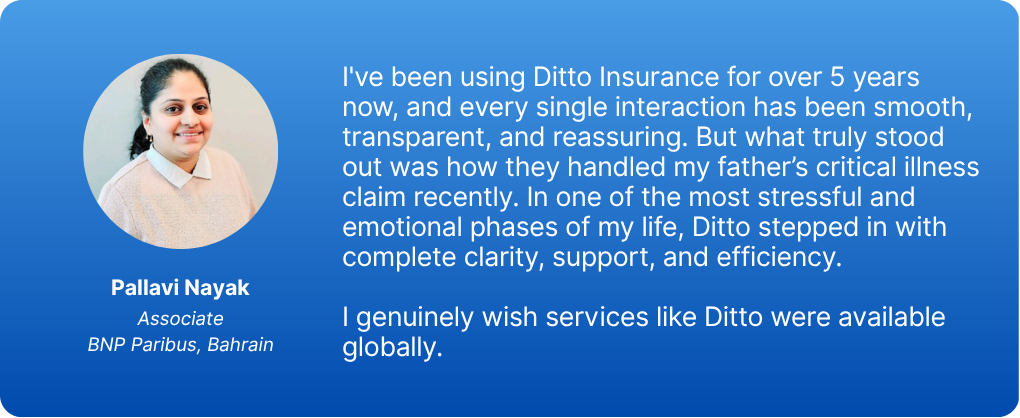
At Ditto, we’ve assisted over 8,00,000 customers with choosing the right insurance policy. Why customers like Pallavi below love us:
- No-Spam & No Salesmen
- Rated 4.9/5 on Google Reviews by 15,000+ happy customers
- Backed by Zerodha
- Dedicated Claim Support Team
- 100% Free Consultation
Confused about the right insurance? Speak to Ditto’s certified advisors for free, unbiased guidance. Book your call now or WhatsApp us, slots fill up fast!
Conclusion
Whether you’re a salaried professional with employer coverage or someone navigating individual plans, the importance of health insurance is universal. Here are the three key takeaways from this blog:
- Comprehensive Coverage: Health insurance protects you from unexpected medical expenses, covering hospitalisation, OPD, chronic illnesses, and even maternity and mental health needs.
- Peace of Mind During Emergencies: With features like cashless treatment and access to top-tier hospitals, it ensures you get quality care without worrying about finances.
- Long-Term Value: Beyond healthcare, insurance offers tax benefits, promotes preventive care, and rewards healthy habits, making it a smart, long-term investment.
Frequently Asked Questions
Last updated on: