



Overview
Having gallstones doesn't always require surgery. Many people live with them without experiencing symptoms. But when gallstones cause recurring pain, inflammation, or infection, doctors often recommend gallbladder removal.
But there isn't just one way to do it. Laparoscopic gallbladder surgery is the preferred approach in most cases, while open or robotic surgery can be considered depending on the patient's condition.
But what about the cost and insurance coverage? Expenses vary by procedure and hospital, while health insurance coverage depends on waiting periods and policy conditions, especially if gallstones were diagnosed earlier.
In this guide, we explain when gallbladder surgery is needed, the different procedures, their costs in India, and how health insurance coverage works.
What Is Gallbladder Surgery and When Is It Needed?
Gallbladder surgery, medically called cholecystectomy, is an operation to remove the gallbladder, most often because of gallstones. Doctors usually recommend it when gallstones cause repeated symptoms or complications.
What Does the Gallbladder Do?
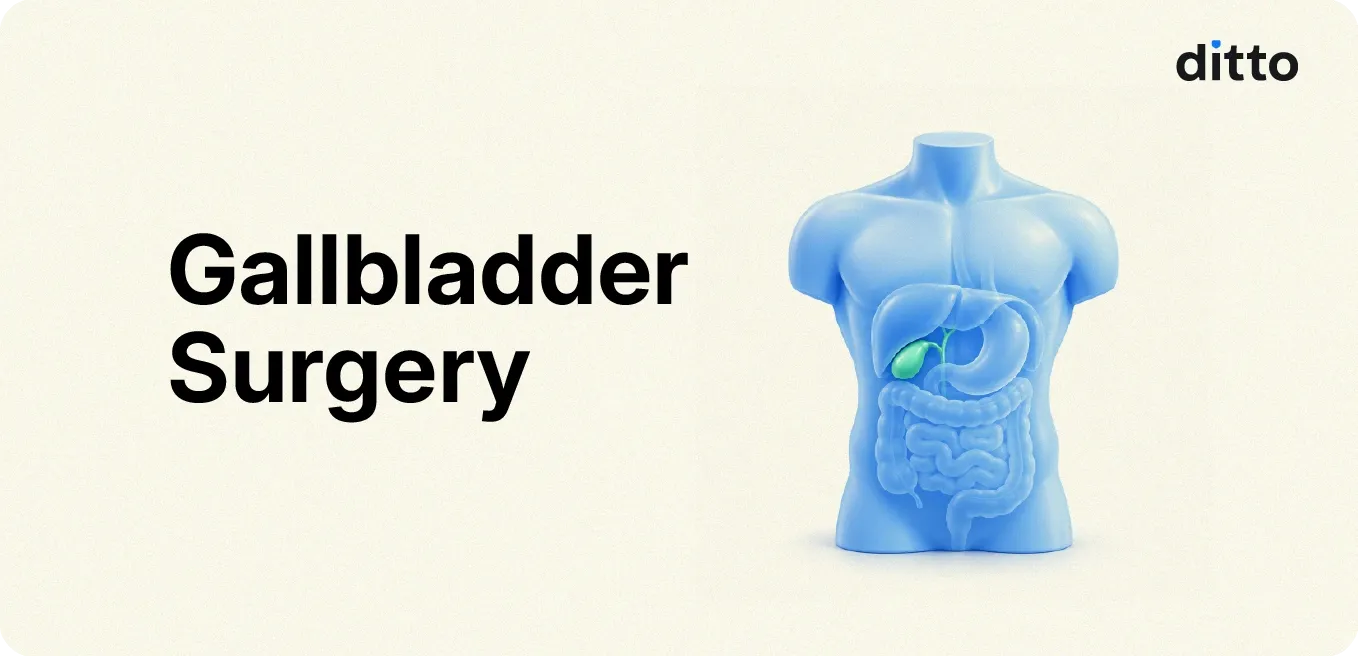
The gallbladder is a small pouch under the liver. It stores bile, a fluid that helps your body digest fat. Gallstones are hardened deposits that form in this pouch. They can block bile flow, leading to pain, inflammation, or infection.
The gallbladder is not essential for survival. After removal, the liver still makes bile and sends it directly to the intestine.
Who Needs Gallbladder Surgery?
Having gallstones does not automatically mean you need surgery. Many people have stones that never cause trouble.
Silent Gallstones Usually Do Not Require Surgery
According to Apollo Hospitals, gallbladder removal surgery (cholecystectomy) may be recommended in the following situations:
- Gallbladder Inflammation (Cholecystitis): Acute or long-term inflammation of the gallbladder can cause severe pain in the upper right abdomen, fever, and tenderness. Doctors may recommend surgery to relieve symptoms and prevent further complications.
- Recurring Pain or Complications From Gallstones: Gallstones can cause recurring abdominal pain, often after meals. If the pain keeps returning or the stones cause complications such as infection or pancreatitis, doctors may recommend removing the gallbladder.
- Bile Duct Blockage: Gallstones can block the bile ducts, causing jaundice (yellowing of the skin and eyes), severe pain, or infection. Doctors usually clear the blocked duct through a separate procedure before removing the gallbladder to prevent future episodes.
- Gallstone Pancreatitis: Sometimes, gallstones can block the flow of digestive fluids and inflame the pancreas, causing severe abdominal pain and vomiting. Removing the gallbladder helps reduce the risk of another episode.
- Gallbladder Polyps: Large or symptomatic growths inside the gallbladder, called polyps, may require surgery, especially if doctors suspect a risk of cancer.
Talk to an expert
today and
find
the right
insurance for you.


Types of Gallbladder Surgery and Their Costs in India
Gallbladder removal surgery can be done in two main ways, and the method affects the size of the cuts, your hospital stay, your recovery time, and the bill.
Disclaimer for Costs Mentioned
Laparoscopic vs. Open Gallbladder Surgery: How They Differ
Source: Cost estimates from Chennai Liver Foundation. Hospital stay, recovery time, incision size, pain, and complication risk comparison from Apollo Hospitals and PACE Hospitals.
Note: Robotic gallbladder surgery is a minimally invasive procedure in which the surgeon controls robotic instruments. It is available only at select hospitals. According to Chennai Liver Foundation’s estimates, it costs around ₹1,20,000 to ₹2,50,000 where available.
Does the Type of Hospital Affect the Cost?
Gallbladder stone surgery costs in India also depend on whether treatment is done at a government or private hospital. Government hospitals and government-linked schemes usually have lower rates. Here are the reference rates:
- AIIMS New Delhi: Lists gallstone surgery at ₹2,000 in its published reference charges.
- Central Government Health Scheme (CGHS): According to its package rate schedule, cholecystectomy is listed at ₹35,000 in a NABH hospital and ₹29,750 in a non-NABH hospital for a semi-private ward in tier 1 cities.
- Ayushman Bharat Pradhan Mantri Jan Arogya Yojana (AB-PMJAY): The health benefit package under AB-PMJAY lists cholecystectomy at ₹31,100 in tier 3 cities, ₹36,400 in tier 2 cities, and ₹38,900 in tier 1 cities.
These are reference rates, not what every hospital will charge every patient.
Private hospital costs usually differ more. According to PACE Hospitals, gallbladder surgery in India costs around ₹40,000 to ₹3,90,000, depending on the surgical approach and the patient’s condition.
The difference isn’t just the surgery cost. Government hospitals may have longer waiting times and fewer room or surgeon options. Private hospitals generally offer more flexibility but cost more.
Does Health Insurance Cover Gallbladder Surgery?
Yes, health insurance can cover medically necessary gallbladder surgery. Coverage depends on when your doctor diagnosed the gallstones, whether they recommended surgery for a clear medical reason, and whether the waiting period is complete.

Diagnosed After Buying the Policy
Already Diagnosed Before Buying
When Can a Gallbladder Surgery Claim Be Rejected?
- Waiting Period Not Complete: If you have surgery before your specific illness or PED waiting period ends, the insurer can reject the claim.
- Pre-Existing Gallstones Not Disclosed: Insurers can review your medical history when you make a claim. If you fail to disclose a previously diagnosed gallstone condition or relevant symptoms, tests, or treatments that were specifically asked about in the proposal form, your claim may be rejected for non-disclosure.
- Surgery Not Medically Necessary: Insurers may question surgery to remove silent stones that cause no symptoms. The same applies to a hospital admission made only for tests, with no treatment given.
Ditto’s Take
Why Choose Ditto for Health Insurance?
At Ditto, we’ve assisted over 12,00,000 customers choose the right insurance policy. Why customers like Pallavi love us:
- 100% Free Consultation
- No Spam. No Sales Pressure.
- Rated 4.9/5 on Google Reviews by 30,000+ Happy Customers
- Backed by Zerodha
- Dedicated Claim Support Team
- Compare Plans and Premiums with a Trusted Insurance Advisor
Confused about the right insurance? Speak to Ditto’s certified advisors for free, unbiased guidance. Book your call now or chat with us on WhatsApp. Slots fill up fast!
Conclusion
Gallbladder surgery is a common procedure, and most people recover well after the operation. Laparoscopic surgery is the preferred approach in most cases, while open surgery may be necessary for complex cases. Select hospitals also offer robotic surgery. The cost depends on the surgical approach, hospital, and location, while government schemes such as CGHS and AB-PMJAY offer treatment at prescribed rates for eligible beneficiaries.
Health insurance can cover medically necessary gallbladder surgery, subject to your policy’s terms and waiting periods. Gallbladder surgery (cholecystectomy) is subject to a specific illness waiting period under many health insurance plans. If you were diagnosed with gallstones before buying your policy, the insurer may also classify them as a pre-existing disease (PED), making the applicable waiting period an important factor in your coverage.
Before buying a plan, check its specific illness waiting period, PED terms, room rent limits, and exclusions. You can also explore the best health insurance plans in India to compare coverage and waiting periods before choosing a plan that suits your needs.
Frequently Asked Questions
Last updated on: