



Does Health Insurance Premium Increase Every Year?
Did your health insurance premium go up this year? You’re not alone. Most people believe that once they buy a health insurance policy, the premium remains fixed. However, in reality, it usually increases, often on an annual basis. At Ditto, we reviewed over 1,000 health insurance claims for FY 2024–25 and found a clear trend: medical costs are rising, and so are premiums. Whether it’s due to inflation, age, or claims, your premium can go up every year.
So, what can you do to manage or reduce these costs without compromising your coverage? Let’s answer these questions in this blog.
How often does Ditto see premiums double or significantly spike over 3–5 years?
Why Do Health Insurance Premiums Increase Every Year?
Health insurance premiums don’t rise randomly; they follow predictable trends shaped by your health profile, economic shifts, and changes in the healthcare ecosystem. Understanding these can help you anticipate why your renewal premiums might be higher than before. Here’s a breakdown of the key factors that typically drive annual premium increases:
Medical Inflation
Healthcare costs in India are rising steadily due to advancements in medical technology, the increasing use of expensive diagnostic tools, and higher hospital charges. As treatment costs increase, insurers adjust premiums to keep up with these escalating expenses.
Customer Base and Risk Pool Dynamics
An insurer’s premium rates depend heavily on the overall health risk profile of its entire customer base, not just individual claims. If a particular insurer’s pool has a higher proportion of older customers or those with chronic illnesses, the average risk and expected claim costs rise. This leads to an increase in premiums for all policyholders to maintain the insurer’s financial balance.
Age Factor
Age is a crucial factor because as people get older, the likelihood of needing medical care increases. Insurers typically increase premiums gradually with age milestones (such as 40, 45, or 60 years). This is because older policyholders tend to file more claims, and treatments can be more complex and costly.
Aggregate Claims Experience
While your individual claim history does not directly impact your premium at renewal, the aggregate claims made by all insured members influence premium adjustments. If the insurer experiences a year with a high volume of claims or costly treatments across its portfolio, it will raise premiums to cover these expenses.
Fraud and Abuse in Healthcare
Fraudulent claims and abuse of healthcare resources by some policyholders or providers increase the overall cost burden on insurers. To mitigate losses from fraud, insurers raise premiums slightly to maintain profitability and ensure sustainability.
Sum Insured Adjustments
Raising your sum insured provides more financial protection, but also increases your premium proportionally. While beneficial, it can sometimes lead to additional underwriting scrutiny or higher costs, particularly during the policy term.
In short, premiums increase based on logical drivers like inflation, age, and claims, knowing them helps you plan better.
Ditto’s Advisor’s Tip
Regulatory Updates
Occasionally, changes by the IRDAI (Insurance Regulatory and Development Authority of India) impact how insurers price premiums. These can relate to standardization, product redesign, or broader compliance measures, and they may indirectly affect your renewal cost.
Is There a Way to Lock in My Premiums?
Above all, premium increases are typically a result of logical, predictable factors, such as increasing age, rising healthcare costs, and an aggregate level of claims. While they can’t always be avoided, understanding these drivers can help you anticipate and manage them better.
Next, let’s explore how health insurance renewal works so you can plan your coverage with fewer surprises.
How Health Insurance Renewal Works
Health insurance in India typically operates on a yearly contract, meaning you must renew your policy every 12 months to maintain continuous coverage. While the process may seem routine, a lot happens behind the scenes during renewal, and it can significantly impact your premiums and policy terms.
Here’s what insurers consider during the renewal process:
Age-Based Reassessment
As you grow older, your health risk increases. Insurers often use renewal as an opportunity to reprice your policy based on your current age bracket, especially if you cross significant age milestones (such as 40, 50, or 60).
Policy Modifications
Any change you request, such as increasing your sum insured or adding riders, may trigger a new underwriting process. This can either raise your premium or change the terms of your policy, depending on the assessed risk.
Discontinuation of Old Plans
At times, insurers withdraw outdated or underperforming plans and offer policyholders an upgraded or revised version of the product. This can lead to changes in benefits, and sometimes a noticeable price increase.
Renewals aren’t just about paying your premium; they’re a crucial checkpoint where insurers reassess risk, adjust pricing, and even update plan features. These behind-the-scenes updates explain why your renewal price can vary each year.
Renewals aren’t just a formality, ~they’re a crucial checkpoint where pricing and coverage can shift dramatically.
Next, let’s take a closer look at how you can reduce or manage your health insurance premiums so you’re better prepared.
Talk to an expert
today and
find
the right
insurance for you.


How to Reduce or Manage Health Insurance Premiums
While rising health insurance premiums are inevitable to some extent, the good news is that you’re not powerless. With the right strategies, you can reduce the long-term cost of your health insurance without sacrificing essential coverage. Here are a few innovative ways to take control of your premium:
Buy Early
Purchasing a health insurance policy while you're young and healthy helps you start with lower premiums. Since your risk profile is more favorable at a younger age, insurers offer better pricing and fewer restrictions.
Use No Claim Bonus (NCB)
If you go a year without making a claim, many insurers reward you with a higher sum insured, without charging an extra premium. This increases your coverage at no additional cost, improving value over time.
Compare Policies at Renewal
Don’t automatically renew your existing policy without checking alternatives. Use comparison tools like the one on our website to evaluate whether another plan offers better coverage or pricing that aligns with your current needs.
Ditto’s Take
Wellness Programs and Discounts
Some insurers now reward proactive health management. You may qualify for discounts if you participate in fitness programs, undergo preventive check-ups, or maintain healthy lifestyle habits (such as quitting smoking or maintaining a healthy BMI). Did you know that some health insurance plans also offer gym memberships?
Avoid Unnecessary Riders
Riders (or add-ons) can enhance your coverage, but too many can quickly inflate your premium. Only opt for those that genuinely suit your health profile or future medical risks; skip the rest.
By making a few informed choices, such as buying early, utilizing NCBs, and avoiding extra riders, you can significantly reduce your insurance costs over time. Managing premiums isn’t about cutting corners; it’s about optimizing what you pay for what you truly need.
Strategies to Manage Premiums
Can premium hikes be negotiated or appealed? Ditto’s Take
Unfortunately, health insurance premiums for individual retail policies are generally not negotiable. Insurers set premiums based on actuarial assessments, regulatory guidelines, and their overall risk pool performance, leaving little room for individual negotiation. However, that doesn’t mean you're without options. Here’s what you can do:
Port Your Policy
Suppose your existing policy becomes too expensive or offers poor value. In that case, you have the right to port your policy to another insurer without losing continuity benefits, such as waiting periods for pre-existing conditions. Porting lets you explore more affordable options or better coverage for the same premium. Pro Tip: Begin the porting process at least 45 days before your renewal date to avoid any lapse in coverage.
Explore Better Alternatives
Insurance advisors (like those at Ditto) can help you compare plans across insurers to identify:
- Lower premium escalation trends
- More suitable benefit structures
- Cost-effective combinations (base + super top-up plans)
This approach can help you maintain similar or better coverage while keeping premiums in check.
Plan for Premiums Like You Plan for Hospital Bills
If you find premiums burdensome, remember: if you can’t afford the insurance premium, you definitely can’t afford a hospital bill. One way to stay prepared is to:
- Create a dedicated health insurance fund
- Invest it in a fixed deposit or a low-risk instrument. This fund can help you comfortably handle premium hikes without disrupting your cash flow.
Use Cost-Sharing Tools
If affordability is a concern, consider policies that offer:
- Aggregate deductibles (you pay a fixed amount before insurance kicks in)
- Voluntary co-pay options (you share a percentage of claim costs)
These reduce the upfront premium, but increase out-of-pocket costs during claims. They’re helpful for those who want to protect against catastrophic expenses but are willing to cover minor bills themselves. However, please remember that it is generally advisable not to opt for copays as the out-of-pocket costs can take a toll on your finances.
Act Before Renewal
Your flexibility diminishes once a policy is renewed. Always:
- Review your options before renewal
- Avoid policy lapses, as these can lead to underwriting or loss of continuity benefits
By using NCBs, skipping unnecessary riders, and comparing smartly, you can keep premiums manageable without losing good coverage.
Finally, let’s see if you need to worry about the increasing premiums or if there’s a way to handle them.
Should You Worry About Premium Increases? (Ditto’s take)
It’s natural to feel frustrated when your health insurance premium goes up, but the truth is, these hikes are a part of how insurance works. Whether it's due to medical inflation, aging, or past claims, most premium increases are rooted in data and actuarial logic.
The good news? They’re often predictable and manageable if you plan.
At Ditto, we believe in giving you complete transparency. That means helping you understand why your premium is changing, and more importantly, what you can do about it.
Rather than worrying about every increase, focus on what’s within your control:
- Understand the drivers behind premium hikes (age, claims, inflation).
- Compare better options at renewal; don’t just auto-renew out of habit.
- Plan for the long term by budgeting for future increases and building a sustainable insurance strategy.
Most importantly, please remember that staying covered, even with a slightly higher premium, is far better than risking massive out-of-pocket expenses during a medical emergency.
Why Choose Ditto for Health Insurance?
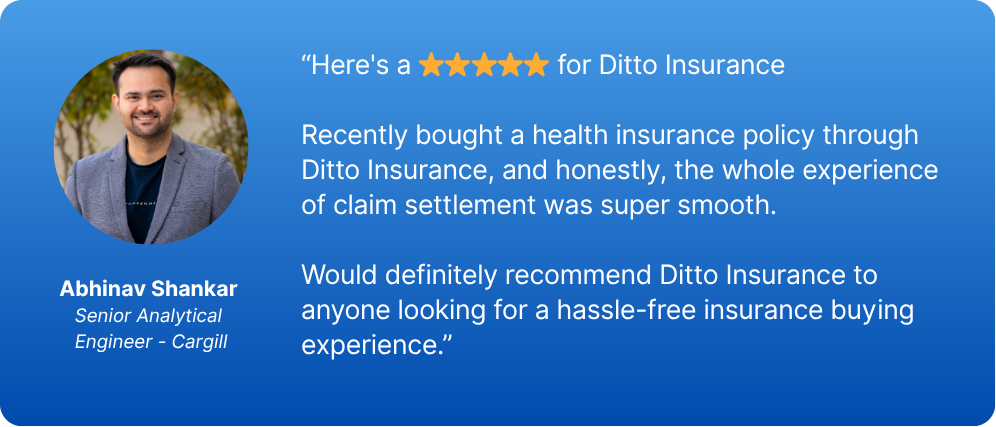
At Ditto, we’ve assisted over 8,00,000 customers with choosing the right insurance policy. Why customers like Abhinav below love us:
- No-Spam and No Salesmen
- Rated 4.9/5 on Google Reviews by 15,000+ happy customers
- Backed by Zerodha
- Dedicated Claim Support Team
- 100% Free Consultation
You can book a FREE consultation. Slots are running out, so make sure you book a call now or connect with us on WhatsApp.
Conclusion
Health insurance premium hikes may feel frustrating, but they’re not unexpected, and they don’t have to catch you off guard. With the proper understanding and planning, you can manage these increases while still getting the protection you need. When you know why premiums rise, you’re better equipped to make smarter choices at renewal, like developing a health insurance strategy that remains effective and affordable in the long term.
Key Takeaways:
- Premiums often increase due to medical inflation, age, but these factors are predictable and manageable.
- Renewals are an opportunity to reassess your plan, not just pay and forget. Comparing, adjusting, or even porting your policy can make a big difference, but it should not be done lightly.
- Smart habits, such as buying early, using NCB, and avoiding unnecessary riders, can help keep your premiums sustainable while maintaining strong coverage.
Last updated on: