

What Happened in Parliament
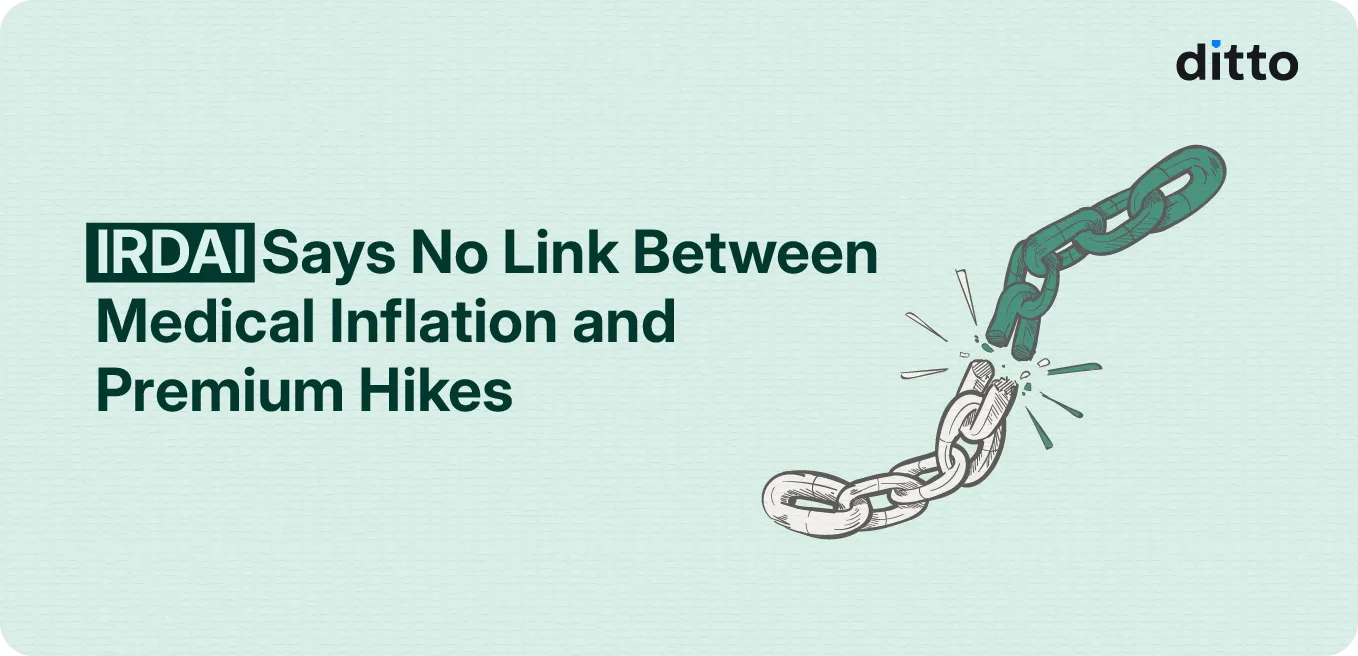
Imagine paying your health insurance premium on time every year, never missing a renewal, yet still seeing a sharp price increase. When you ask why, the answer is often the same: medical inflation.
That sounds fair, but the recent official confirmation by the IRDAI changes the conversation. If there is no clear evidence linking medical inflation alone to premium hikes, it becomes harder for policyholders to judge whether a price rise is reasonable. Let’s take a closer look at what this really means for your premiums.
Is Medical Inflation Real? Yes. Is It The Only Driver? No.
Let’s be fair here.
Medical inflation is real. Hospitals are charging more. Diagnostics cost more. Procedures are more advanced and often more expensive. Even IRDAI’s January 2025 communication on senior citizen premiums said premium rates are primarily based on estimated claims outgo and expenses. It also said that claims outgo is largely dependent on the amounts hospitals charge for treatments and surgeries.
So, this is not about denying that healthcare costs are rising. But medical inflation is just one factor that affects premium hikes.
A renewal premium may increase for several reasons, as outlined in our guide to health insurance premium.
Why This Debate Matters Even More Right Now
Finance Minister Nirmala Sitharaman told the Rajya Sabha that health insurance is a priority for the government and that India aims to provide insurance cover for all by 2033. She also said the sector covered 58 crore lives in 2024-25 and collected health premiums of ₹1,17,505 crore. It still has a long way to go, as India’s per-capita premium is only $97 (about ₹9,110.82), compared to the global average of $943 (₹88,572.22).
The takeaway is clear: if the government wants more people to stay insured, policyholders need a clearer explanation for health insurance premium hikes. Moreover, they will stay insured only if the product feels fair, understandable, and sustainable.
What IRDAI Is Doing To Improve Oversight
According to IRDAI health insurance guidelines, an Appointed Actuary will periodically review products. The person will ensure that any revision in premiums or benefits is based on credible underlying experience of relevant risk parameters. This also involves considering policyholders’ grievances and market feedback.
That aligns with IRDAI’s broader stance on product monitoring. As part of this initiative, the regulator capped a 10% annual premium hike for senior citizens by all general and health insurers. These entities must also consult IRDAI before withdrawing individual health insurance products meant for senior citizens.
What Policyholders Should Do When Premiums Go Up
This is where you need to get smarter. If your premiums have increased at renewal, ask these questions to the insurer:
- Was medical inflation one of the reasons?
- Did I move into a new age slab?
- Did it occur due to a change in my current location?
- Was the whole product repriced?
Why Choose Ditto for Health Insurance?
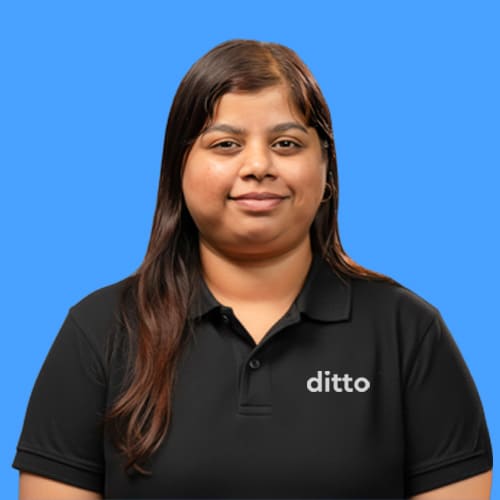
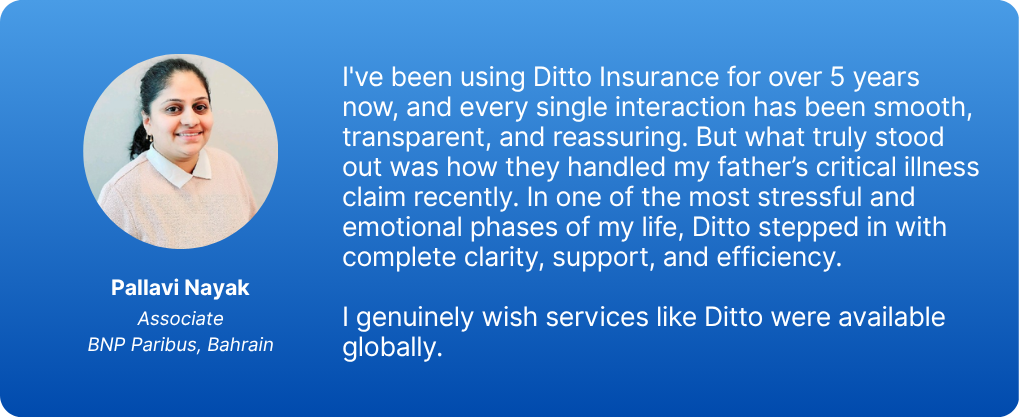
At Ditto, we’ve assisted over 8,00,000 customers with choosing the right insurance policy. Why customers like Pallavi below love us:
- No-Spam & No Salesmen
- Rated 4.9/5 on Google Reviews by 15,000+ happy customers
- Backed by Zerodha
- Dedicated Claim Support Team
- 100% Free Consultation
Confused about the right insurance? Speak to Ditto’s certified advisors for free, unbiased guidance. Book your call or chat on WhatsApp with us now!
The Final Takeaway
IRDAI’s statement on health insurance premium hikes is important because it adds regulatory nuance to a commonly cited explanation.
Yes, medical inflation in India exists. Yes, it affects claims. Yes, it can influence premiums.
But no, it should not be used as a blanket answer for every hike.
Premium increases result from multiple moving parts, and that is exactly why customers deserve more transparency. And if India is serious about building a wider, more inclusive health insurance ecosystem by 2033, that transparency will become just as important as coverage itself.
Frequently Asked Questions
Last updated on: